Multimodal Cancer Classification Challenge
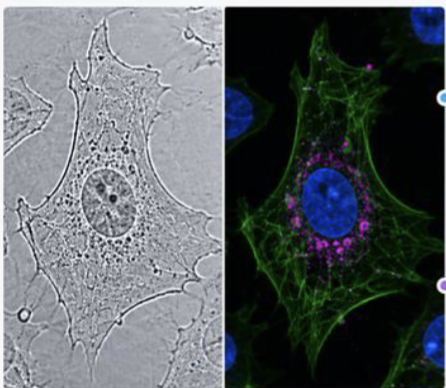
Classifying cells from oral brush samples as coming from cancer patients or healthy ones, with only 19 patients. We placed ninth, and it taught me not to trust a validation score.
MSc student in Image Analysis and Machine Learning
Uppsala University · Background in full-stack development
Looking for a digital pathology degree project from January 2027
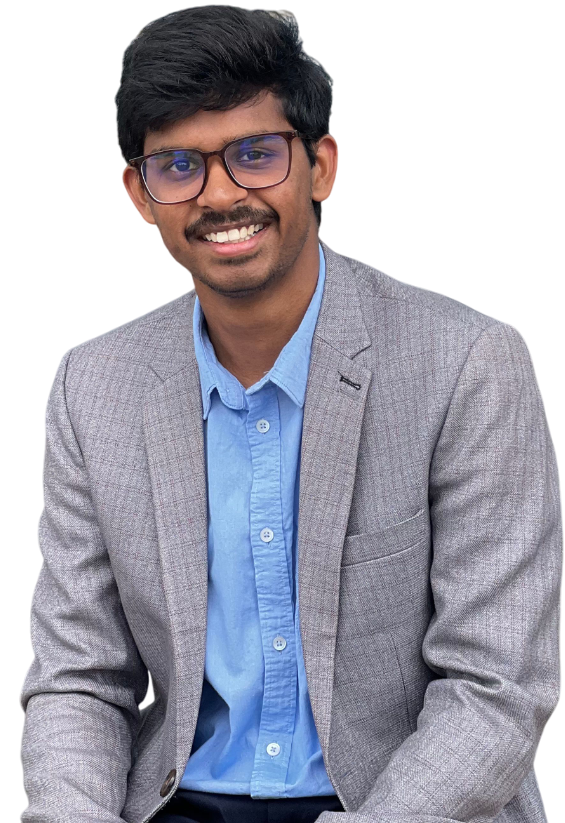
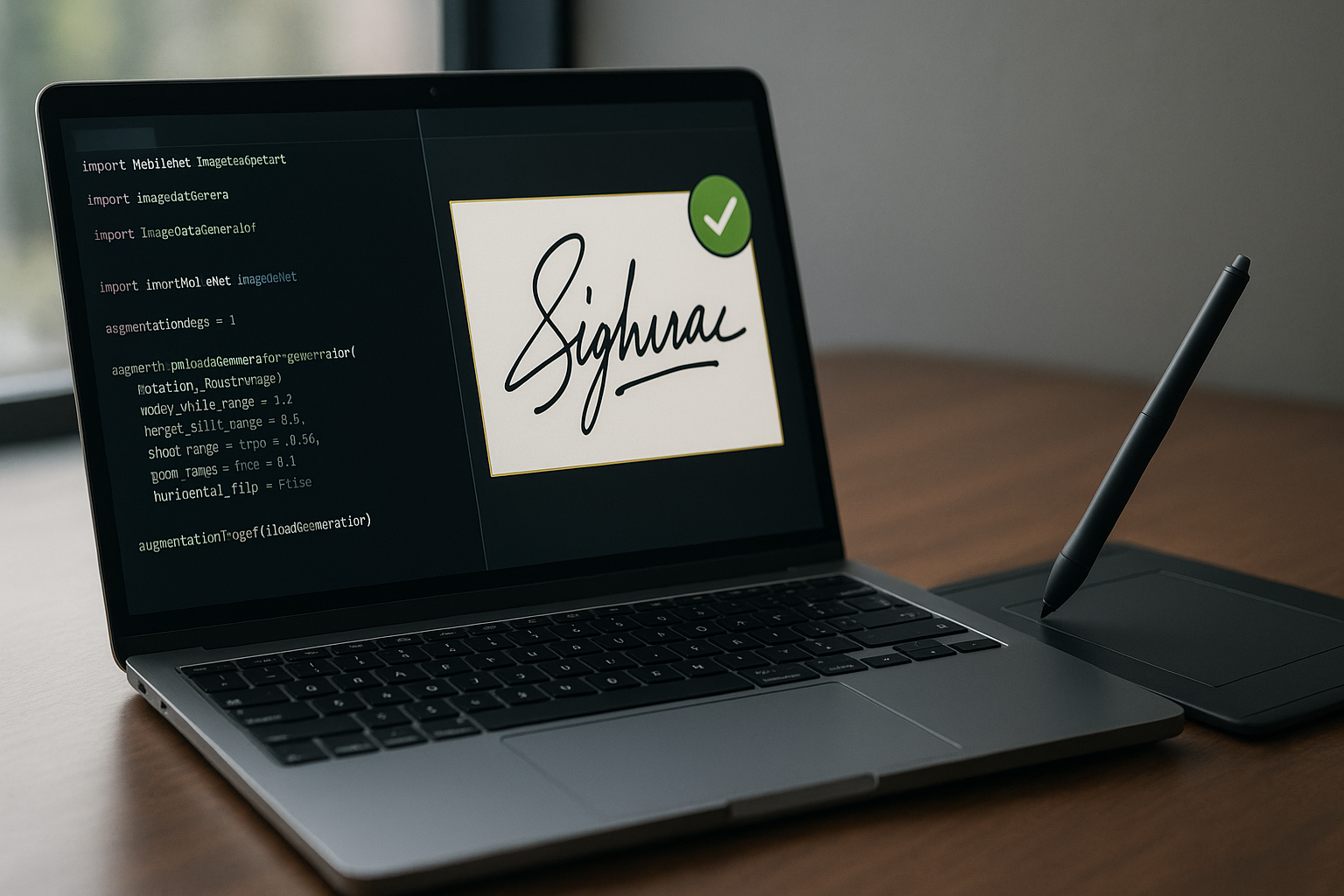
I'm currently doing my Master's in Image Analysis and Machine Learning at Uppsala University, following on from my bachelor's thesis on using data augmentation to improve MobileNet's performance on handwritten signature identification. I'm looking for a degree project in digital pathology starting January 2027.
Why digital pathology: my master's journey →Classifying cells from oral brush samples as coming from cancer patients or healthy ones, with only 19 patients. We placed ninth, and it taught me not to trust a validation score.
Bachelor’s thesis investigating how affine data augmentation (rotation, scaling, translation) improves the performance of MobileNetV3-Small in handwritten signature identification using the BHSig260 Hindi dataset.
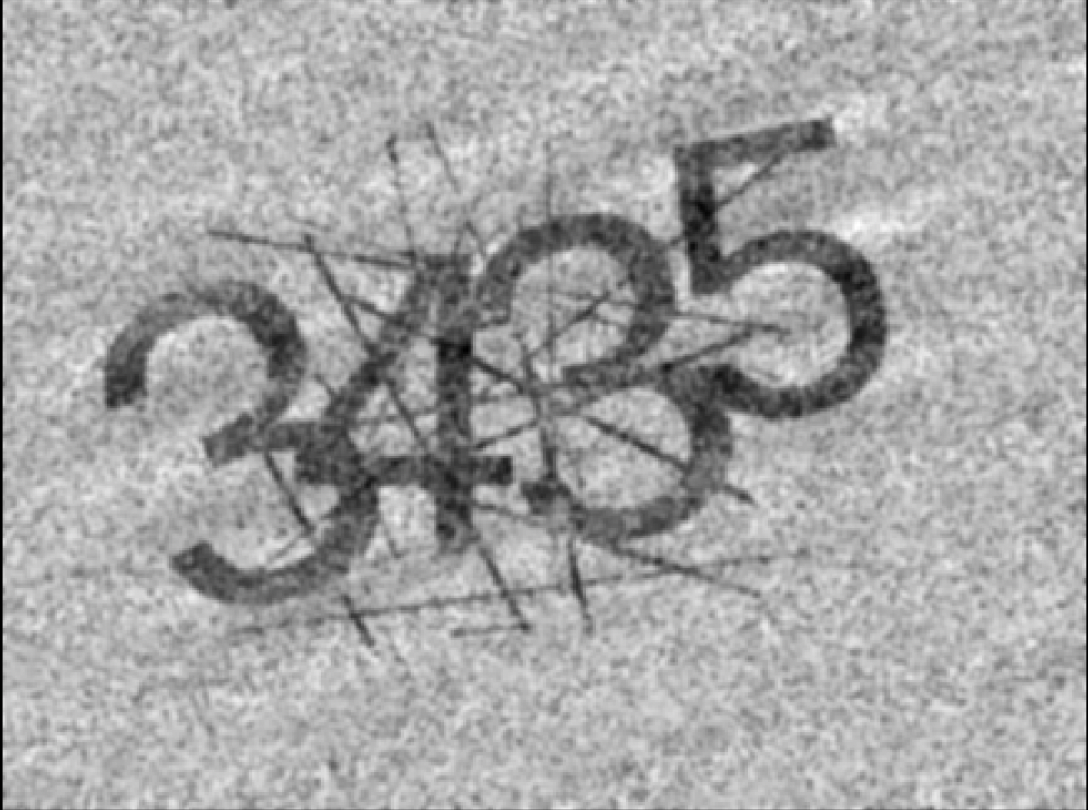
A 4-stage classical image-analysis pipeline (FFT denoising, HOG features, SVM) that reads digits out of noisy, stripe-patterned CAPTCHA images — no deep learning or OCR allowed, 92.2% test accuracy.
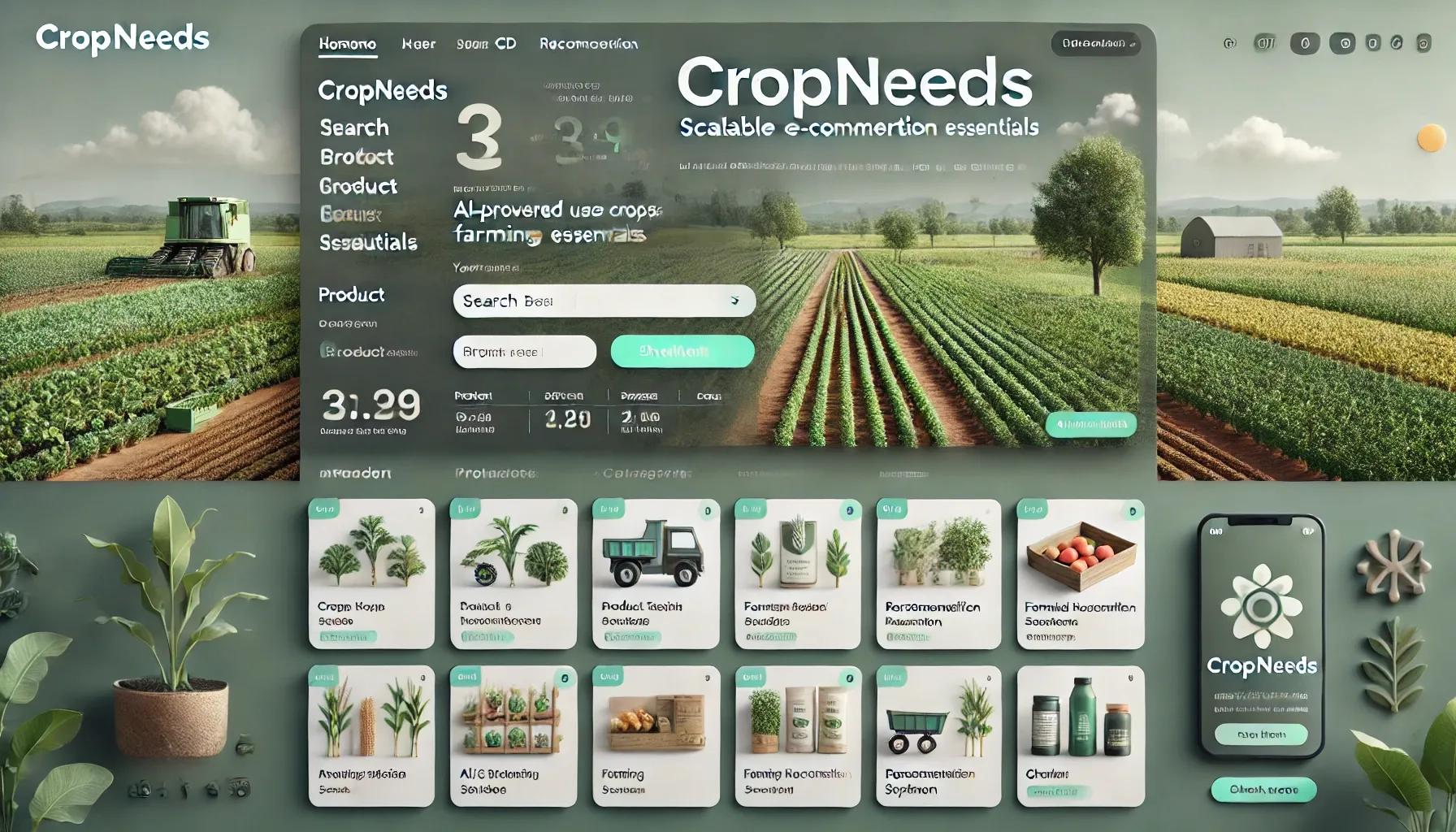
CropNeeds is a personal project focused on building a scalable e-commerce platform for farmers to browse and purchase agricultural goods using React, Firebase, and OpenAI API integration.
Axiogreen was an early-stage startup with a very lean team, so I ended up with a lot of ownership over the ML side of their building-automation platform, which controls how buildings get heated. The existing system was rule-based, and I worked on moving that decision-making toward a model predictive control approach instead, using a multilinear regression model to predict how the building would respond to different heating inputs. Before any of that could go near a real building, I designed a physics-based simulator built around an RC (resistance-capacitance) thermal model, which meant going through a fair number of peer-reviewed papers to get the modeling right.
At NoGapps I worked on internal order management tools built with FastAPI and MedusaJS. There wasn't much onboarding, so I picked up MedusaJS and Next.js mostly by reading docs and just building. I put together the frontend in Next.js, wired up JotForm-based workflows, and spent a good chunk of time chasing down Stripe checkout bugs. I also talked to clients directly, which meant the scope shifted more than once and I had to get comfortable adjusting on the fly.
MocX was a mock interview platform I co-founded, built with React, Tailwind, Django, and GCP. I owned most of the product side: interview scheduling, feedback reporting, the whole session flow, plus integrating Razorpay for payments and running the PostgreSQL backend behind user data and feedback logs. I ran the user interviews myself and used what I heard to keep reworking the UX in Figma. It's probably the project that taught me the most about shipping something end to end, not just the code but the decisions around it.
Questions, or just want to say hi?